Edge Computing in Latin America: Bridging the Latency Gap
Latin America has long suffered from the latency gap. With major cloud regions concentrated in São Paulo, Virginia, and Oregon, users in cities like Monterrey, Bogotá, and Lima often experience 80-150ms round-trip times to their nearest cloud endpoint. For real-time applications — financial trading, multiplayer gaming, IoT telemetry, and video streaming — that latency is unacceptable.
The Edge Opportunity
Edge computing brings processing power closer to where data is generated and consumed. Instead of routing every request to a distant cloud region, edge nodes handle time-sensitive workloads locally while synchronizing with central infrastructure for analytics and storage.
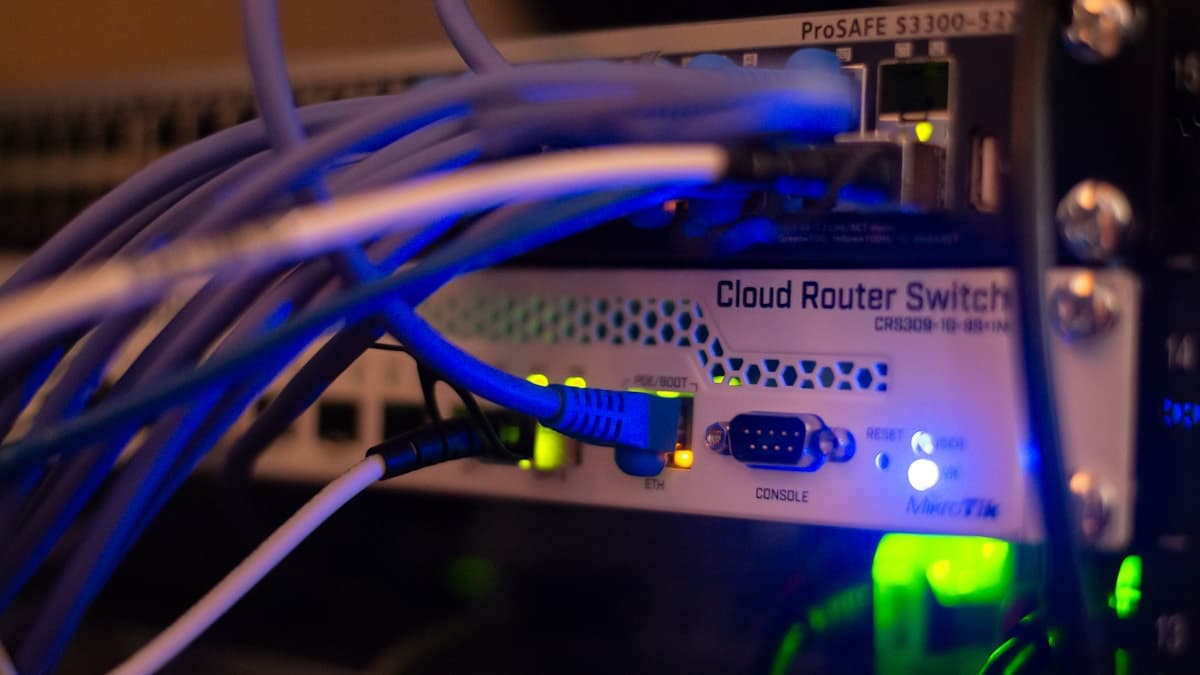
At Eilax™, we've deployed edge nodes across 15 cities in Mexico, Colombia, Peru, Chile, and Brazil. Each node is a micro data center with compute, storage, and networking capabilities, connected to our core facilities via dedicated fiber links.
Real-World Impact: Three Use Cases
Financial Services: A major Mexican brokerage reduced trade execution latency from 45ms to under 5ms by processing orders at our Monterrey edge node. The difference? Millions of dollars in improved fills during volatile market conditions.
IoT and Smart Cities: A smart traffic management system in Guadalajara processes data from 2,000+ sensors at the edge. Traffic light adjustments happen in under 10ms — impossible if data had to travel to a cloud region 2,000 km away.
Gaming: A regional game studio reduced player-perceived lag from 120ms to 15ms for their multiplayer title by running game servers at edge locations across Mexico and Colombia. Player retention improved 23% within the first quarter.
Architecture Decisions
Our edge nodes run a lightweight Kubernetes distribution (K3s) for container orchestration. Workloads are defined centrally and deployed to edge locations using GitOps pipelines with Flux CD. Data synchronization between edge and core uses CRDTs (Conflict-free Replicated Data Types) to handle eventual consistency without conflicts.
Each edge node has redundant power, dual network uplinks, and local NVMe storage for hot data. Cold data tiers back to our Tier IV facilities automatically.
What's Next
By Q4 2026, we plan to expand to 30 edge locations across LatAm. We're also partnering with 5G operators to deploy ultra-edge nodes directly at cell tower sites, bringing compute within 1ms of end users. The latency gap in Latin America is closing — fast.